The arrival card filing is free, and any site charging for it is fake, a warning the National Immigration Administration has issued in those words. The official web address is s.nia.gov.cn/ArrivalCardFillingPC. The QR code the system issues is valid for twenty-four hours, so fill the form the day before you fly, not the week before.
the paper arrival card was the first thing you met on every flight into china: a small blue-white form handed out by cabin crew, filled against a knee in a middle seat, and rejoined to your passport at the border booth. beijing alone processed more than three million foreign arrivals in 2025, and each paper card cost its holder five to eight minutes at a counter, before the queue was even counted. on november 3, 2025 the national immigration administration announced a package of ten service measures, and the eleventh-month change underneath it reached every port in the country on november 20: the arrival card moved online, in advance, for anyone with a phone.
the scale explains why the change happened and why the fakes followed it. 2025 ended with 697 million exit-entry crossings nationwide, a record, and 82 million of them were foreigners, up 26.4 percent in a single year. nearly three in four of those foreign arrivals entered without any visa at all, which means the arrival card is now the one piece of paperwork practically every visitor completes. in its first half year the online filing alone handled more than fifteen million submissions.
The only official channel
the service runs through the national immigration administration, and it reaches you through five doors, all free: the nia government service platform website, the same platform's arrival card page, the 移民局12367 app, the nia mini programs inside wechat and alipay, or a phone camera pointed at the official arrival card qr code, which airlines and embassies print on their notices. the web address for the browser route is s.nia.gov.cn/ArrivalCardFillingPC, and the 12367 hotline answers questions in english at +86-10-12367.
any of the five produces the same result: a personal qr code that the border officer scans or pulls up automatically when your passport is read. there is nothing to print, nothing to show except the code on your screen, and a pdf receipt you can download or email to yourself if you want a copy that survives a dead battery.
Why people pay for a free form
within months of launch, counterfeit websites had appeared in search results, styled like official government portals, walking travellers through the same form and then presenting a payment page, commonly a few tens of dollars, for a service the real system provides at no charge. the immigration administration's response was an unusually blunt public warning: the online arrival card filing charges no fee at all, use only the official channels, and treat any payment page as fraud.
the pattern is worth understanding rather than just avoiding. the arrival card became a paid-product target precisely because it is new, mandatory-feeling, and searched by people who have never seen the official site, which is the exact profile that fake visa and esta-style pages have exploited for years. the defence is mechanical: the official domain is s.nia.gov.cn, the word free appears in the government's own warning, and if a card-shaped website asks for a card number, it has answered its own question. travellers who already paid have a real complaint and a real address for it: the 12367 hotline logs these reports, and the charge itself should be disputed with the bank that issued the card.
The twenty-four hour rule
the qr code the system issues is valid for twenty-four hours. that single constraint settles the most common planning question, which is how early the form can be filled: it is not a weeks-ahead application like a visa, it is a same-day boarding pass companion. the practical habit is to fill it the evening before an morning arrival, or the morning of a late arrival, after the flight number and the first hotel are final. if plans shift and the code lapses, nothing is lost; the form refills from stored details in a couple of minutes and issues a fresh code.
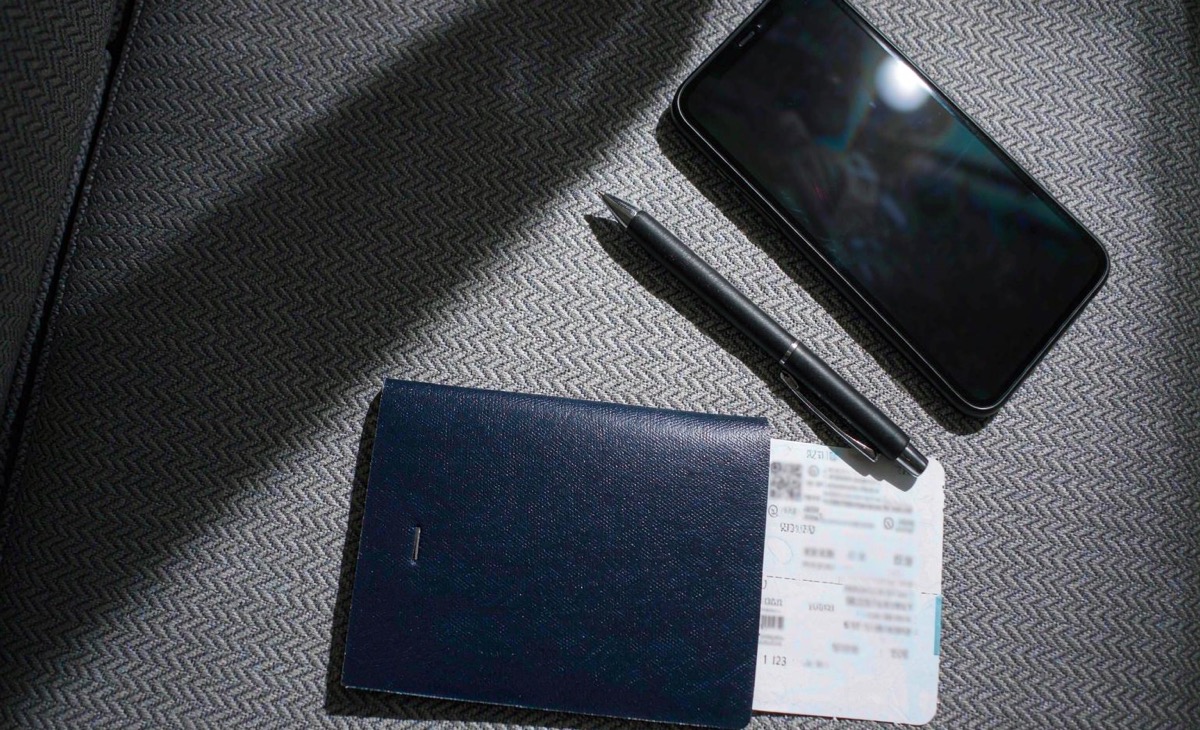
What the form asks
the flow is short, and the app remembers it: choose document type, photograph the passport's picture page and let the system read it, confirm the personal details it extracted, then the two sections that actually need thought.
| Section | What it wants | Where people stumble |
|---|---|---|
| Entry basis | which entry policy you are using: a visa number, or the visa-free or transit scheme your nationality falls under | visa-free arrivals look for a visa number that does not exist; see the next section |
| Itinerary (fields marked * are required) | arrival flight or train number, date, port, and the address of your first night in china, plus a contactable phone number | the address: a hotel name with its street address, not just a city; keep the booking confirmation on hand |
one filing can cover a group: the form lets one traveller add companions and submit for them, children included, which replaces the old rule that every member of a family filled a paper card separately. the interface runs in multiple languages, the system matches your nationality to the entry policies that apply to it, and everything except the itinerary is stored for the next trip, so a second visit to china begins with most of the form already correct.
Filing without a visa
most arrivals now have no visa to declare. china's unilateral visa-free scheme covers fifty countries for stays of thirty days, and visa-free entries made up 73.1 percent of all foreign arrivals in 2025. for these travellers the form's entry-basis section asks for the policy, not a number: you select the visa-free entry your passport qualifies for, or the 240-hour transit if that is the scheme you are using, and the visa number field does not apply. the border officer sees the same selection on their side, which is why the answer must match the stamp-free reality of your passport rather than hopeful improvisation.
the eligibility map sits in the visa guide, including the fifty-country list and the dates each scheme currently runs to. one boundary matters at the form itself: travellers using the 24-hour or 240-hour transit rules choose the transit variant of the card rather than the ordinary arrival card, because the two record different things and the distinction is what the officer checks against your onward ticket.
The seven exemptions
a specific list of arrivals skips the card entirely, and it is worth checking before filling anything, because several of the categories are commoner than they look:
holders of a chinese foreign permanent resident id card; holders of the mainland travel permit for hong kong and macao residents, the non-chinese-citizen version; travellers on a group visa or qualifying for group visa-free entry; passengers in 24-hour direct transit who stay inside the port's restricted area; cruise passengers who leave china on the same ship they arrived on; travellers entering through the e-channel automatic gates; and foreign crew of international transport vehicles. everyone else files, including babies, including second homes in the queue, including the traveller who has filled the form five times this year.
If you leave it to the airport
the paper card has not been abolished. travellers who cannot file online, or did not, meet the same information at the border: scan the arrival card qr code with a phone, use the smart filing terminals that most major ports now run in the inspection hall, or take a paper card and a pen. the terminals speak several languages and print a pre-filled card in about twenty seconds once details are in. what has genuinely disappeared is the excuse of not knowing: the queue at the paper table is now the slow lane by choice, and at the alashankou land border the comparison was measured at fifteen minutes on paper against five on a phone.

the one thing worth arranging before the flight, for this purpose and for everything after landing, is data on the phone. the filing page loads fine on airport wi-fi when the wi-fi cooperates, but the reliable version is a working connection of your own, and the options are compared in the sim and eSIM guide. the mini-program route also assumes you can already run wechat or alipay, which is part of the apps guide rather than an arrival-day project.
The card is not the registration
the arrival card and the accommodation registration are separate obligations, and confusing them is the most common pre-arrival mix-up. the card speaks to the border and is done the moment you pass inspection. the registration speaks to the local police: every foreign visitor must register their address of stay, hotels do it automatically at check-in, and anyone staying in a private home must visit a police station within twenty-four hours of arrival. the deadlines and the walk-in procedure are covered in the renting guide for long stays and the residence permit guide for the permit that follows. neither is affected by the arrival card, and neither can the arrival card do it for you.

Common questions about China's arrival card
What is the China arrival card?
The entry information form every foreign national files when entering China: identity, passport, the entry policy being used, the arrival flight or train, and the first address of stay. Since November 20, 2025 it can be filed online before travel through the National Immigration Administration's platforms, with paper cards still available at ports.
Is the China arrival card free?
Yes, entirely, and the National Immigration Administration has issued a public warning that counterfeit websites charge fees for the free service. The official routes are the s.nia.gov.cn platform, the 移民局12367 app, and the NIA mini programs in WeChat and Alipay. Any page asking for payment is fake, and a payment already made should be disputed with the issuing bank and reported through the 12367 hotline.
How many days before arrival should I fill it in?
The QR code the system issues is valid for twenty-four hours, so the useful window is the day before travel or the day of travel, after the flight number and first hotel are final. If the code expires, the form refills from stored details and issues a new one in minutes.
What do I put in the visa number field if I have no visa?
Nothing. Visa-free arrivals select the visa-free entry policy their nationality qualifies for, and 240-hour transit travellers select the transit scheme, so the visa number field does not apply. The form matches the entry policies available to your passport automatically.
Do children need an arrival card?
Yes, every traveller files, including infants, which was also true of the paper era. The online form handles it differently: one adult can add travel companions to a single submission and file for all of them at once.
What happens if I don't fill it in before flying?
You file at the border instead: scan the arrival card code on your phone, use a smart filing terminal in the inspection hall, or complete a paper card. Nothing is refused for arriving unfiled, but the paper route is the slow lane, measured at five to eight minutes per traveller where the online code passes in seconds.
Do visa-free travellers need the arrival card?
Yes. Visa-free entry removes the visa, not the card, and visa-free arrivals made up nearly three quarters of foreign entries in 2025. The only arrivals who skip the card entirely are the seven exempt categories, such as permanent resident card holders, e-channel users, and 24-hour direct transit passengers who never leave the restricted area.
Is the arrival card the same as the police registration?
No. The arrival card is filed once at the border and finished at inspection. The accommodation registration is a separate obligation to the local police: hotels register guests automatically at check-in, and guests in private homes must register at a police station within twenty-four hours of arrival. Doing one does not do the other.