Every internal ticket carries a fuel surcharge that moves whenever the airlines decide it should, RMB¥80 on legs under 800 km and RMB¥140 above that since November 5, 2026. On top sits a state fund of RMB¥50 that never moves. The third number, the free baggage allowance, is not a number at all on a low-cost fare, because there is none.
a domestic flight inside china is cheaper and simpler than most foreign visitors expect, and the surprises that do happen are almost never about the flying. they are about three things the ticket page does not put in the headline: two charges added by the state rather than the airline, a document rule strict enough to cancel a seat you paid for, and a bag allowance that a cheap fare quietly sets to zero. sort those three before you compare prices and the rest of the trip behaves.
this page treats the internal network as its own system, separate from the international flights that deliver you to it. if you are still working out how to reach the city after landing, the guide to airport to city transport covers the rail links and the last trains. here the subject is the flight itself, from the checkout page to the baggage belt.
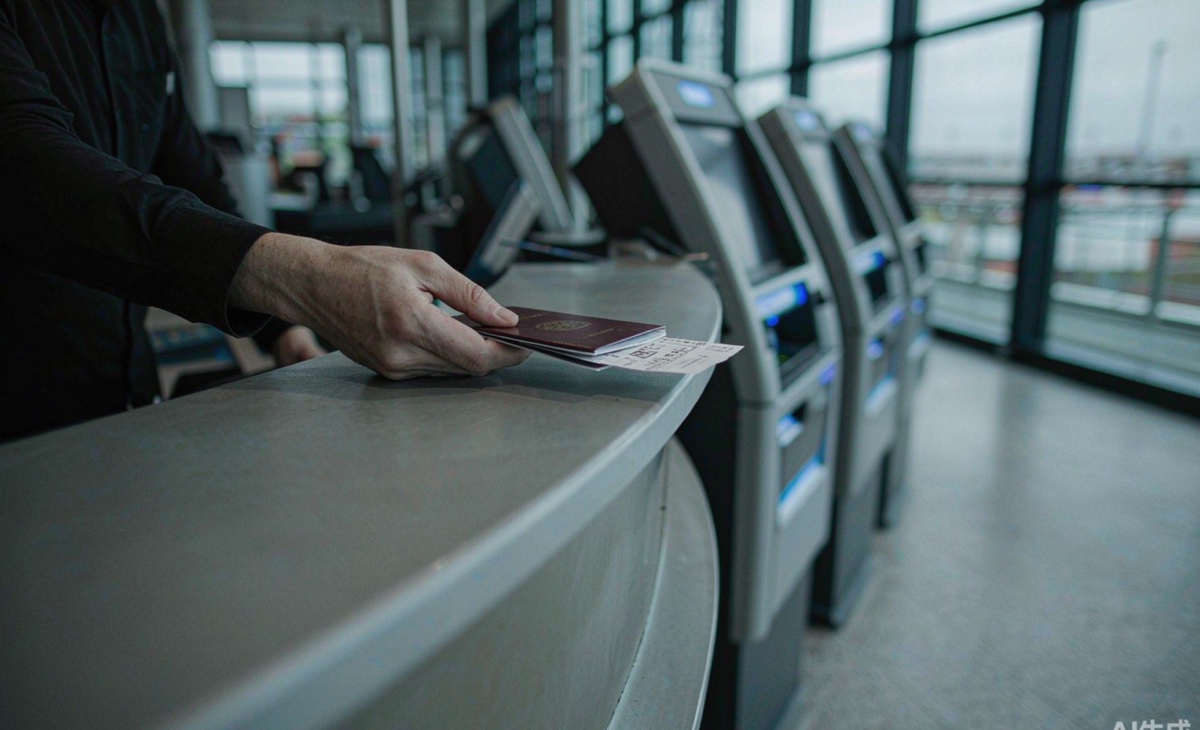
What the fare does not include
search any route and you will see a headline price that already contains the two charges, in most cases, buried under a label like taxes and fees. the reason to know them separately is that they behave differently. one is political and stable, the other is a commodity price that the carriers reset every few weeks.
| Charge | Who sets it | Amount per passenger |
|---|---|---|
| Base fare | the airline, repriced daily | the number you are comparing |
| Fuel surcharge, legs of 800 km or less | the airlines, in practice together | RMB¥80 |
| Fuel surcharge, legs over 800 km | the airlines, in practice together | RMB¥140 |
| Civil aviation development fund | Ministry of Finance | RMB¥50 |
| Checked baggage, low-cost fare without a bag | the airline | RMB¥0 included, bought separately |
the fuel surcharge is the volatile one. it stood at RMB¥10 and RMB¥20 at the start of 2026, climbed to RMB¥60 and RMB¥120 in April, peaked at RMB¥90 and RMB¥170 in May, fell back through three cuts over the summer to RMB¥40 and RMB¥70, then rose twice in the autumn to the present RMB¥80 and RMB¥140. that is six changes in eleven months, announced by the carriers and reported the same day. the practical consequence is that a fare you screenshotted last month is not a fare you can quote, and two booking sites showing different totals on the same day are usually showing different surcharge dates.
the development fund is the older of the two, created in 2012 when the airport construction fee was folded into a single government fund, and it has sat at RMB¥50 per domestic passenger since. children under 12 are exempt, and so are passengers on the small aircraft that serve regional routes, which is why a ticket on a 50-seat turbofan hop can look oddly cheap. children between 2 and 12 pay half the fare and half the surcharge, infants under 2 pay a tenth of the fare and no surcharge at all. none of this is negotiable at the counter, so the only decision it affects is whether the child needs a seat of their own.
The passport rule that voids a ticket
chinese carriers sell tickets against an identity document, not against a name, and the rule that follows from it is stricter than in most countries. the passenger service regulation in force since September 2021 requires check-in to be completed with the same valid identity document used at purchase, and lists a mismatch between the two as grounds on which a carrier must refuse transport. not may refuse. must.
for a foreign passenger that means the passport number typed at checkout is the passport that has to appear at the counter, and no other document substitutes for it. a residence permit, a driver's licence, a photo of the passport on your phone, a new passport issued after a renewal, none of these are the document on the booking. the failure mode is quiet: the booking looks fine in the app, the seat is confirmed, and the refusal happens at the desk forty minutes before departure when there is no time to fix it.
two habits prevent it. book with the passport you will carry for the whole trip, and if the passport is replaced mid-trip, ask the airline to amend the document number on the booking before you travel rather than at the airport. the amendment is routine and usually free, because the passenger is the same person. the version that costs money is the one discovered at the counter.
online check-in is where foreign passports hit a second wall. spring airlines states it plainly on its own check-in page: holders of a passport or any document other than a chinese ID go to the airport counter, because the online system does not accept them. most full-service carriers behave the same way in practice, offering the web check-in flow and then requiring a counter visit to verify the document. treat the counter as the default, not the exception, and the queue stops being a surprise.
on where to buy, the split runs along payment rails rather than price. the international-facing platforms take foreign cards directly and add a service fee, the domestic platforms and airline apps are usually cheaper and expect alipay or wechat pay, and the airline's own site sits in between. the fare difference between channels on the same flight is often small, and the fee you pay for using a foreign card is often the larger number. compare the final total, not the advertised fare, and remember that a ticket bought through an agent is amended through that agent.
The bag decides the ticket
china has two airline economies and they disagree completely about luggage. the three big carriers still sell a fare that includes a checked bag, sized by weight rather than by piece on domestic routes. the low-cost carriers sell a seat and a small cabin bag, and everything else is a separate purchase with its own price ladder.
| Full-service, economy | Spring Airlines, cheapest fare | |
|---|---|---|
| Checked baggage | 20 kg free | none |
| Cabin bag | 1 piece, 5 kg, 55x40x20 cm | 1 piece, 7 kg, 20x30x40 cm |
| Oversize found at the gate | reweighed and charged as checked | RMB¥300 per piece |
| Overweight charge | 1.5% of the full economy fare per kg | sold in 5 kg blocks, cheaper online |
the cabin bag column hides the trap. a standard 20-inch roller is roughly 55 by 40 by 20 centimetres, which fits the full-service limit and does not come close to the 20 by 30 by 40 box that the low-cost fare allows. that box is a 14-inch bag, or a backpack, or a soft holdall. travellers arrive at the gate with a roller that has flown on a dozen european budget airlines, and it is measured, and it costs RMB¥300 on the spot, in cash, per piece. the airline publishes that fee and applies it without argument.
the overweight charge on a full-service ticket is worth understanding because it is not a flat rate. it is calculated at 1.5% of the full unrestricted economy fare on that route, per kilogram, which on a long trunk route can exceed RMB¥30 per kilo. on a short hop it is trivial. this is why the same extra five kilos costs very different amounts in different directions, and why paying for a heavier allowance in advance is usually cheaper than paying at the desk.
low-cost baggage works like a menu, and the prices climb as the departure approaches. spring sells 5 kg blocks up to 50 kg on domestic routes, with online purchase closing one hour before departure and the counter price well above the online price. buy the allowance with the ticket if you know you need it, because the gate is the most expensive place in the airport to discover you were wrong.
the arithmetic that decides more tickets than the fare does: a family of four with one 20 kg suitcase each is carrying 80 kg, which a full-service fare includes and a low-cost fare does not. priced out at four discounted tickets plus four bag purchases, the cheap fare often loses to the boring one. run that sum before you book, and note that the group sharing one big bag is the case where the low-cost carrier genuinely wins, if the bag fits inside its weight ladder.
The 3C check nobody expects
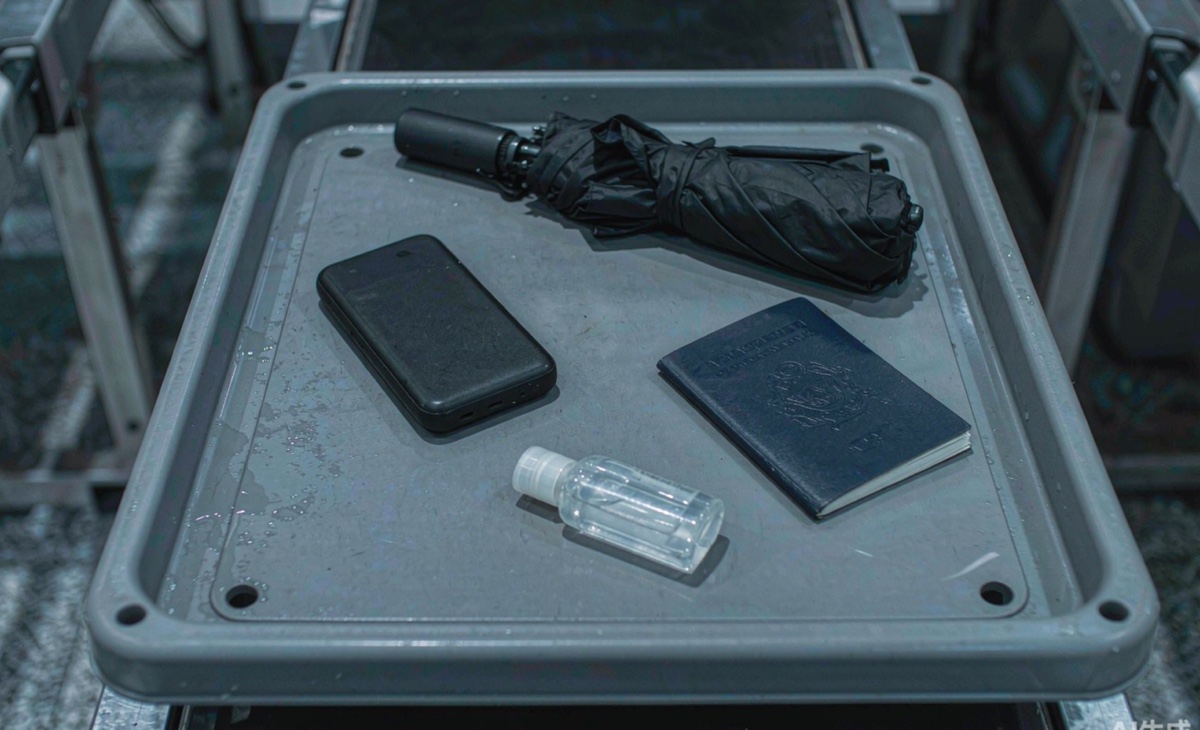
since June 28, 2025 the civil aviation administration has banned power banks without a Chinese 3C certification mark from domestic flights, along with any unit whose mark is illegible or whose model has been recalled. the rule was issued as an emergency notice after a series of cabin fires traced to lithium cells, and it is enforced at the security lane, not at the airline desk.
the part that catches foreign travellers is the scope. the ban applies to domestic flights, while international and regional flights continue to run on the older energy rule. a power bank bought at a european airport, carrying every safety mark that europe requires and none of the chinese ones, is legal on the flight into shanghai and illegal on the flight from shanghai to chengdu. connecting passengers meet the rule twice, and the second time is the one where the item gets taken.
the energy rule still applies underneath the certification rule, and it is the one worth remembering as a number. up to 100 Wh needs no approval, which is a 20,000 mAh pack at five volts, exactly. between 100 and 160 Wh requires airline approval and is limited to two units per passenger. above 160 Wh is banned outright, as is any pack with no rating printed on it. all of it must travel in the cabin and none of it in the hold, and using a power bank in flight is prohibited, which the cabin crew will enforce.
if the lane rejects the pack there are three exits, and the airports publish them: hand it to whoever came to see you off, post it from the courier desk inside the terminal, or leave it in official storage. beijing capital keeps rejected power banks for seven days free, after which they are treated as abandoned. the storage counter is worth the ten minutes when the alternative is losing a device you need for the rest of the trip.
liquids follow a separate rule that surprises people who have flown domestically in other countries. on a domestic flight inside china, liquids are not allowed in the cabin at all, apart from cosmetics for personal use, one container per type, in a bottle of no more than 100 mL, plus toothpaste and shaving cream at 100 g. duty-free liquid bought on the international leg is allowed only if you stay inside the secure area, and must be checked if you leave it. umbrellas go through the scanner separately, every time, and lighters and matches are banned from both the cabin and the hold. the rest of the banned list, and what to leave in the hotel room, sits in the guide to packing for China.
45, 40, 15
chinese airports close their desks earlier than most, and the three numbers that matter are all counted back from departure rather than forward from arrival. they vary by airport and by carrier, so treat them as the outer edge of a range rather than a schedule.
| Minutes before departure | What closes |
|---|---|
| 45 | check-in counters at most airports, 30 at a minority |
| 60 | bag drop at low-cost carriers, which ask for the counter an hour ahead |
| 20 to 15 | boarding gate, earlier than the ten minutes many travellers assume |
| 90 to 120 | when to walk into the terminal, 120 if a bag is being checked |
the gate number is the reason to arrive early rather than the queue. the biggest terminals in the country are long, and the walk from security to a far gate at beijing daxing or shanghai pudong can take fifteen minutes at a normal pace with a roller bag. the departure boards update late, the gate changes more often than the airline would like, and a gate that closes 15 minutes before departure does not care that you were airside with time to spare.
boarding passes are the other place the passport rule reappears. foreign passengers can usually retrieve a mobile pass from the airline app after counter check-in, but the counter itself is where the document gets verified, so the airport printer is not the only option, it is simply the reliable one. if you are connecting from an international flight, the connection desk issues the domestic pass after checking the document that matches the booking, so keep that passport in your hand rather than in the overhead bin of the inbound aircraft.
Who pays for the hotel
china counts a flight as delayed when it arrives or departs more than 15 minutes late, which is a tighter definition than the one most passengers carry in their heads. what happens after that depends entirely on whose fault it is, and the regulation draws the line in a place that costs travellers real money when they do not know it.
when the cause is the carrier's own, meaning maintenance, aircraft scheduling or crew, the airline provides meals and accommodation at the origin airport. when the cause is weather, air traffic control, a security incident or the passengers themselves, the airline is required to help arrange meals and a room, and the passenger pays. this is the single most disputed sentence in chinese air travel, and it is written into the regulation rather than left to each carrier's goodwill.
two exceptions run the other way and are worth memorising. a domestic flight delayed or cancelled at a stopover, for any reason, obliges the carrier to provide meals and accommodation. a domestic flight that diverts obliges the carrier to do the same at the diversion airport, again for any reason. if your flight is one of those multi-leg domestic services that stops somewhere in the middle, the airline owns the problem in a way it does not at your origin.
on board, the clock runs differently. after two hours of tarmac delay the carrier must provide water and food, and after three hours with no confirmed departure time it must arrange for passengers to leave the aircraft, subject only to safety and security. the airline is also obliged to give every passenger a written delay or cancellation certificate on request, which is the document a travel insurer will ask for and the one most passengers forget to collect at the desk.
refunds follow the same fault line. a voluntary change is priced by the fare rules you bought, but an involuntary one cannot carry a refund fee at all, and the refund must be settled within seven working days of a valid request. if the airline will not move, the complaint route runs to the carrier first, which owes a substantive reply within ten working days, then to the aviation consumer centre on 12326, the supervision line that has operated since March 2019.
Oversale and the queue
chinese carriers oversell, usually by a few percent, and the rules around it are more protective than most travellers assume. before anyone is denied boarding, the carrier must run a volunteer process and ask for people willing to give up a seat, and until that process has failed it may not apply its priority rules to pick someone. the sequence is written into the regulation, not left to the gate agent's judgement.
that makes the volunteer the one passenger in the room with leverage. airlines negotiate, and the offer usually improves as departure approaches, moving from a voucher to cash to a later flight plus a hotel. the trade is time against money and it is a real choice rather than a trap, provided you ask what the replacement itinerary actually is before you agree. anyone denied boarding against their will is entitled to compensation and assistance under the carrier's published rules, and to a written statement of the reason.
the routes where this bites are the trunk lines at peak, beijing to shanghai and guangzhou to beijing above all, on sunday evenings and the last working day before a public holiday. checking in early is the cheap insurance, and it is also the step where foreign passports are slowest, because the counter is the only channel. arriving at the two-hour mark on a full trunk flight is not excessive caution, it is the difference between being in the volunteer queue and being in the denied-boarding queue.
When the plane is the wrong choice
the high-speed network has changed the arithmetic on medium distances, and the crossover sits lower than most visitors guess. the plane's advantage is cruise speed, and the airport system removes it: an hour to get to a terminal on the edge of the city, ninety minutes of buffer, thirty minutes from landing to the exit, then another hour into the centre at the other end. on a flight of two hours that overhead is most of the journey.
beijing to shanghai is the clearest case. the flight is just over two hours in the air and roughly six hours door to door once the airports are counted, while the train takes about four and a half hours from a station in the middle of one city to a station in the middle of the other. the same logic kills the plane on shanghai to hangzhou, beijing to tianjin, chengdu to chongqing and most of the pearl river delta. the plane wins back its advantage past roughly 1,200 km, on the long diagonals to guangzhou, kunming, urumqi and lhasa, where the train either takes a day or does not go.
the booking mechanics for rail are their own subject, including the passport requirement and the advance sale window, and they live in the guide to buying train tickets. the short version is that both systems accept a passport, both need the same document at the gate, and only one of them lets you arrive twenty minutes before departure and still make it.
Common questions
Can I buy a domestic flight in China with my passport?
Yes, and the passport is the only document that works for a foreign passenger. Enter the number exactly as printed, carry that same passport to the counter, and do not substitute a residence permit or a new passport after a renewal. A mismatch between the booking document and the document presented at check-in is grounds on which the carrier must refuse transport, and the refusal happens at the desk rather than at booking.
Do I need to print a boarding pass at the airport?
Not necessarily, but plan for it. Foreign passports usually cannot complete online check-in, because the systems are built around the Chinese ID, and the counter visit that follows is also where a paper pass is printed. Mobile passes work once the document has been verified, so the airport printer is the reliable path rather than the only one.
How much does a domestic flight cost, all in?
Three fixed parts and one variable. Add the base fare, the fuel surcharge of RMB¥80 on legs under 800 km or RMB¥140 above it, and the RMB¥50 development fund, then add a baggage allowance if the fare does not include one. The base fare is the only part that moves daily, and the surcharge is reset every few weeks, so compare totals quoted on the same day rather than fares remembered from last month.
Can I bring a power bank I bought outside China on a domestic flight?
Only if it carries a Chinese 3C mark, and most foreign-bought units do not. Since June 28, 2025 the mark is required on domestic flights, alongside the older energy limits of 100 Wh without approval, 160 Wh as the absolute ceiling, and a ban on checking the device in. A pack that flew into the country legally can still be refused on the internal leg, and connecting passengers meet the check twice.
What happens if my flight is cancelled overnight?
The cause decides the bill. Maintenance, scheduling or crew problems oblige the airline to provide meals and a room. Weather, air traffic control or a security incident oblige it to help you arrange both while you pay. A delay at a stopover or after a diversion is different again, because there the carrier provides food and lodging whatever the reason. Ask for the written cancellation certificate either way, since the insurer will want it.
Is it cheaper to fly or take the train from Beijing to Shanghai?
The train usually wins on total cost and always wins on total time from centre to centre. The flight is just over two hours in the air and around six hours door to door once two airport transfers and the security buffer are counted, while the train runs about four and a half hours between two downtown stations. The plane only becomes the better buy past roughly 1,200 km, where the rail journey stops fitting into a day.
Do I need a visa for a domestic flight inside China?
No separate permit exists for domestic air travel, and the airline checks the identity document rather than your visa at check-in. What matters is that your stay in the country is legal, meaning a valid visa or residence permit for the whole period, because an expired status turns a routine domestic trip into a problem at the point where documents are examined. Carry the passport, not a copy.
Why was I denied boarding on a flight I had paid for?
Oversale is the usual reason, and the rules require the carrier to ask for volunteers before denying anyone a seat. If nobody volunteers, the carrier applies its published priority rules, compensates the passengers it removes and rebooks them. Ask for the written statement of the reason, keep the receipts for anything the disruption cost you, and escalate to 12326 if the carrier's reply within ten working days does not resolve it.