China admits exactly two species as personal pets, a dog or a cat, one per traveller per entry. Nineteen countries and territories skip the thirty-day quarantine. The United States mainland, Canada, Germany, France, South Korea and almost everywhere else are not on that list, and the paperwork that replaces it has to be finished before the pet ever boards.
bringing a pet into china is legal, and for pets from nineteen places it is simple. for pets from everywhere else it is a documentation project with hard deadlines: two rabies vaccinations, a blood draw sent to a laboratory the customs service trusts, a chip readable by the officer at the counter, and an official certificate signed within a two-week window. miss any piece and the pet does not get refused politely. it gets thirty days in a government kennel, or a date to fly back out.
this guide walks the whole route: the list that decides your paperwork, the four documents every pet needs, what quarantine is actually like, the counter procedure on landing, the airline rules for the flight itself, and the city rules that start the day the pet walks out of the airport. every figure comes from the regulation that sets it, named inline.
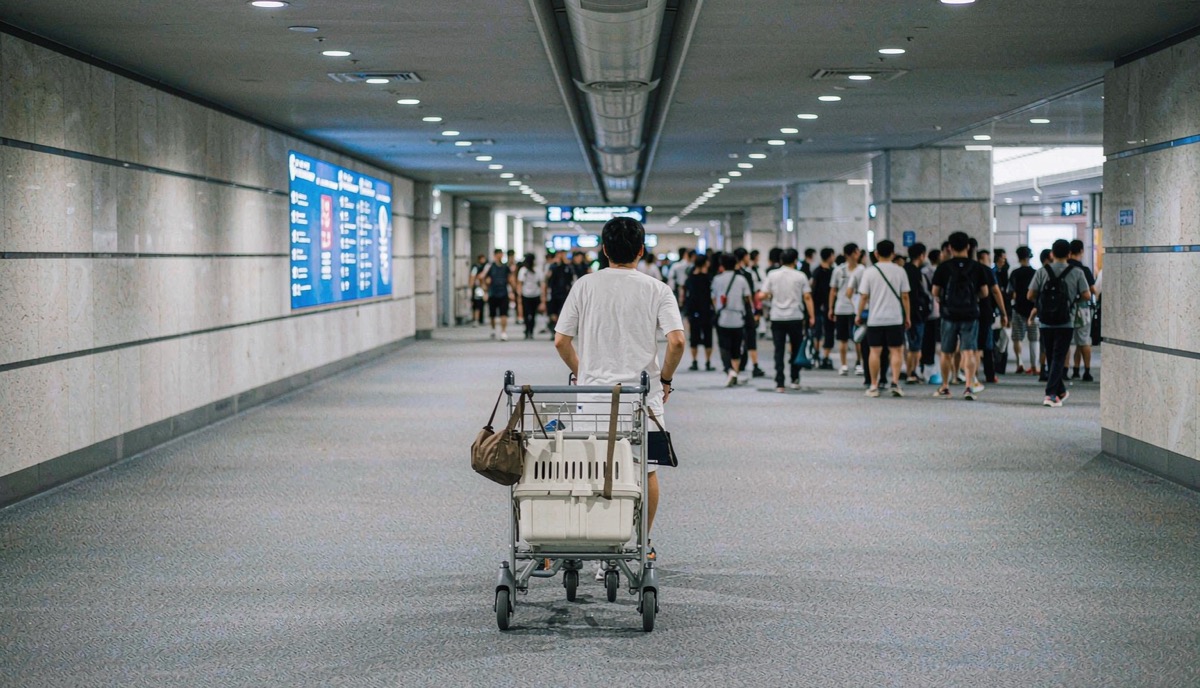
Nineteen names, and the ones that are missing
the classification comes from the general administration of customs announcement number five of twenty nineteen, in force since the first of may that year and still current. pets arriving from nineteen designated countries and territories with a valid chip that pass the on-site inspection skip quarantine entirely. the list: new zealand, australia, fiji, french polynesia, the us state of hawaii, the us territory of guam, jamaica, iceland, the united kingdom, ireland, liechtenstein, cyprus, portugal, sweden, switzerland, japan, singapore, hong kong and macao.
read that list twice, because the omissions are the trap. a dog from california is not covered. neither is a cat from toronto, a dog from berlin or paris, or a pet from seoul, bangkok or kuala lumpur. hawaii and guam appear because they are rabies-free islands with their own entry regimes, not because they are american. a traveller from the us mainland who assumes the exemption applies is the single most common failure the customs q and a channel describes.
for pets from everywhere else the exemption still exists, but it has to be earned in a laboratory instead of granted by geography, which is what the next section covers.
The four things a pet needs before the flight
every arriving pet, designated-country or not, carries the same baseline set. first, an official rabies vaccination certificate issued by the origin country's authorities. second, an electronic chip meeting the international iso eleven seven eight four and eleven seven eight five standards, fifteen digits, numeric only. a chip in another format will not read at the counter, and the traveller must bring their own scanner or the pet is treated as unchipped. unchipped means quarantine.
third, an official health certificate with three blocks of content: the animal's details including breed, scientific name, sex, colour and date of birth or age; the chip number, the date it was implanted and the implant site; and the result of a clinical examination performed within fourteen days before arrival. alterations of any kind void the certificate. the examination must confirm the animal shows no sign of the diseases on china's import disease list, rabies included.
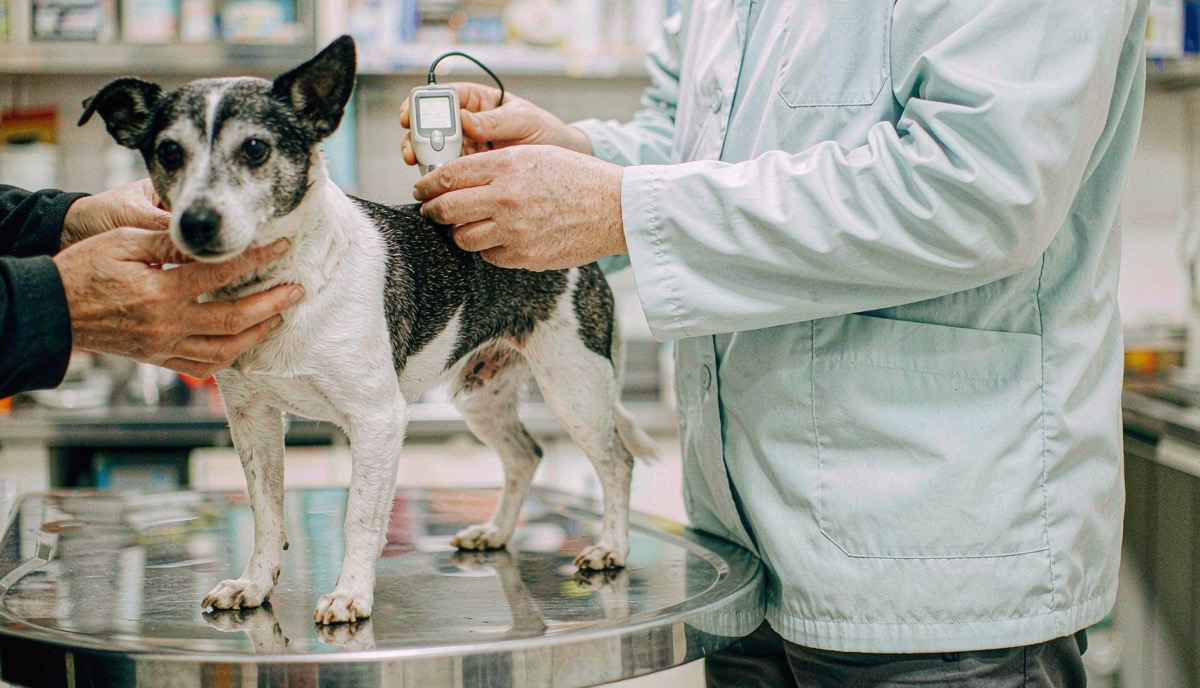
fourth, for pets from non-designated countries, a rabies antibody test report. the rules around this document are precise and each clause catches someone. the blood must be drawn no earlier than the second rabies vaccination, on the same day or after it, so a single-shot pet cannot qualify. the result must show at least zero point five iu per millilitre. the laboratory must be one on the customs-published list of accepted facilities, a standard vet abroad is not. and the report is valid for one year from the blood draw, though if the pet receives another rabies vaccination within the validity of the previous one, the report stays valid with it. the realistic planning window this creates is two to three months, not two weeks.
none of this goes in a suitcase, which is why the packing-side view of what travels with you sits in the packing guide and the pet's file travels separately: original certificates, one set of photocopies, and the reports in a folder the carry-on never leaves without.
What thirty days actually means
a pet that does not qualify for the exemption quarantines for thirty days in a customs-designated facility, with the time already spent held at the border counted inside the thirty. quarantine is not a formality at the arrivals gate: the pet travels to the facility, stays in a kennel run by or supervised by customs, and may not be taken out in principle during the period. if its health changes, customs notifies the owner, and a vet clinic can be brought into a designated area of the facility on request.
quarantine pets cannot land just anywhere. they must enter through a port that has a quarantine facility, currently ten of them: beijing capital airport, beijing west railway station, shanghai hongqiao airport, shanghai pudong airport, shanghai railway station, the shanghai international passenger centre, the wusongkou cruise terminal, urumqi diwopu airport, alashankou, and guangzhou baiyun airport. arriving at an airport without a facility with a pet that needs quarantine does not lead to a longer queue. it leads to the refusal column below.
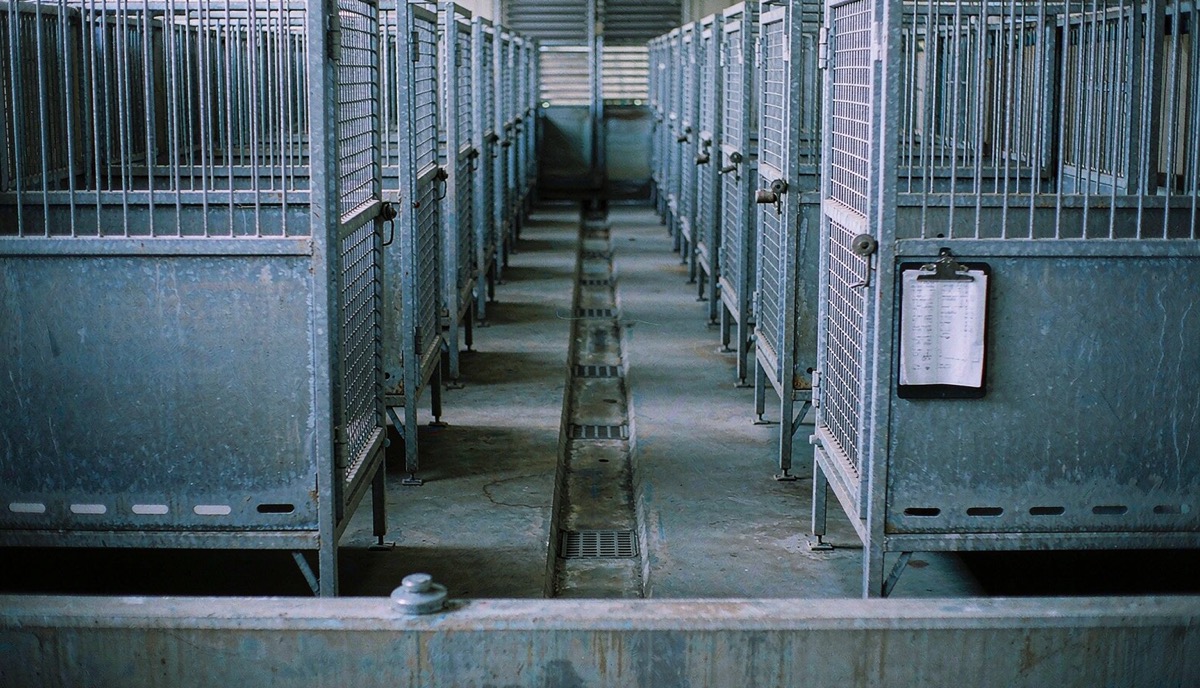
note one asymmetry that surprises people: a pet from a designated country that simply lacks a chip also quarantines for the full thirty days. the exemption follows the paperwork, not the passport of the origin country alone. boarding kennel fees and care during quarantine are charged by the facility at daily rates that vary by port, so budget for the month as well as the flight.
At the counter
arrival procedure runs through the red channel, not the green one. the traveller declares through the customs mini program for incoming passengers or at the declaration desk, and fills in the registration form for imported dogs and cats. the officer verifies the chip against the certificates and inspects the animal. pass, and the pet walks out with you. the four outcomes that end badly are fixed in the announcement: more than one pet per person; no valid official certificate or vaccination certificate; a quarantine pet arriving through a port without facilities; or the animal failing the quarantine itself. the first three are turned back or destroyed, and the fourth is handled after the thirty days.
a turned-back pet is not confiscated outright. the traveller gets a retention receipt, must collect the animal and take it out of the country within the stated period, and an animal not collected on time is treated as abandoned. guide dogs, hearing dogs and search-and-rescue dogs have their own lane: with a chip, the user and training certificates, they pass without quarantine, and a service dog missing only its vaccination papers can be vaccinated at an approved institution on request.
Getting the pet on a plane at all
the border rules assume the pet flew, and the airline rules are their own project. inside china, most major carriers move pets as checked cargo in a pressurised, oxygenated hold: the container limit is roughly ninety by sixty by sixty-six centimetres with pet and box together up to thirty-two kilograms, and the box must meet the live-animals standard with metal doors and ventilation on at least three sides. cabin transport is narrower. the under-seat carrier limit on china eastern, shandong and hainan is thirty-five by twenty-eight by twenty-four centimetres, juneyao accepts a fifty-eight by thirty-seven by thirty-five box for pets under ten kilograms, and hainan requires cabin pets to wear a muzzle and diaper for the whole flight. china eastern also sells a seat for the pet, a fifty-five by thirty-five by thirty-five carrier up to eighteen kilograms, at a service fee of one thousand two hundred and eighty-eight yuan on top of the seat fare.
three filters decide most rejections before price does. flat-faced breeds, the bulldogs, pugs, persian cats and their relatives, are refused by most carriers because their airways handle stress badly. temperature is a hard gate: china eastern, for one, will not carry a pet through a transfer point below minus twelve or above thirty degrees celsius. and the oxygen-cabin slots per flight are few and sell out first in holiday seasons, so the booking call happens before the ticket does. checked-pet fees run mostly at one and a half percent of the full economy fare per kilogram of pet and box. the airport-side mechanics are covered in the guide to domestic flights.
Living with the pet once it is out
the rules that start after the airport belong to the city, and they bind the owner, not the pet. in shanghai, whose ordinance is the template other cities copy, a dog over three months old must be rabies-vaccinated at a designated clinic and implanted with the city's electronic tag, then registered with the police and re-registered annually. a foreign registrant uses a passport and the property or lease documents for the home. urban households may keep one dog per household, which the city reads as one dog per flat, and personal ownership of the breeds on the banned fierce-dog list is not allowed at all, with unregistered dogs eventually taken into the city kennel.
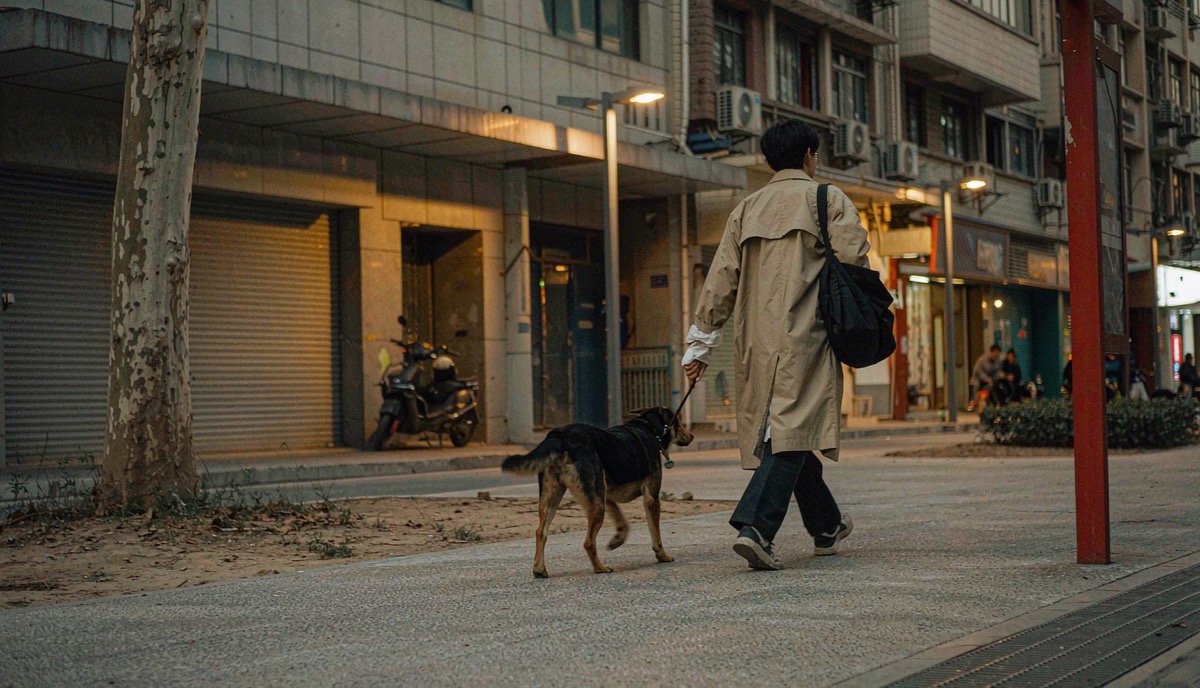
day to day, the leash rules are written down: the dog wears its tag, the lead stays under two metres, large dogs, defined as thirty-five centimetres at the shoulder and up, wear a muzzle in crowds, and waste is picked up on the spot. the ban list for venues is long and literal: office buildings, schools, hospitals, stadiums, museums, libraries, entertainment venues, waiting rooms, restaurants, shopping malls and hotels may refuse dogs, and dogs may not board buses, trams or the metro. the transit rule is national: the urban rail passenger rules bar animals in stations and trains, service dogs excepted, so the dog you just spent months importing cannot ride the subway home, and the realistic options are a taxi or a walked route. the mechanics of both sit in the guides to the metro and renting an apartment, where the pet question belongs in the lease conversation, not after it.
the fines are small but the escalation is not. entering a banned venue or transit with a dog and refusing to correct costs twenty to two hundred yuan. keeping an unregistered dog costs two hundred to one thousand yuan and, if it continues, the dog is taken into the kennel. a dog that bites someone puts the medical bill on the owner immediately, whatever the circumstances.
Taking the pet out again
leaving runs on its own clock. the owner declares the pet to the local customs office at least seven days before departure, brings the valid rabies vaccination certificate and personal proof of identity, and adds whatever the destination country demands, antibody reports and parasite treatment records among them. customs inspects the animal and issues the animal health certificate that the airline and the destination both ask for. the same planning discipline applies in reverse: destination rules, not chinese ones, set the vaccination and blood-test calendar, and those lead times run in months.
Common questions
Can I bring my dog to China from the United States?
Yes, but not on the quarantine exemption. The mainland is not one of the nineteen designated places, so the dog needs a chip, two rabies vaccinations, a blood draw after the second shot tested at or above zero point five iu per millilitre by a customs-accepted laboratory, and the full certificate set. Without the report, plan for thirty days of quarantine through one of the ten designated ports.
How many pets can I bring into China?
One dog or one cat, per person, per entry. A second animal is turned back or destroyed under the announcement, and the limit does not pool across family members.
Is the quarantine really thirty days?
Yes, with border holding time counted inside it, in a designated facility the pet may not leave in principle. Daily kennel fees are charged by the facility and vary by port.
Which entry points accept pets that need quarantine?
Ten: Beijing Capital Airport, Beijing West Station, Shanghai Hongqiao and Pudong airports, Shanghai Railway Station, the Shanghai International Passenger Centre, Wusongkou cruise terminal, Urumqi Diwopu Airport, Alashankou, and Guangzhou Baiyun Airport. A quarantine pet landing elsewhere is turned back.
Can my pet fly in the cabin with me inside China?
On some airlines, in a carrier no larger than thirty-five by twenty-eight by twenty-four centimetres on China Eastern, Shandong and Hainan, with Hainan requiring a muzzle and diaper throughout. Larger pets travel in the oxygenated hold, and flat-faced breeds are refused by most carriers.
Can my dog ride the metro with me in China?
No. The national urban rail rules bar animals from stations and trains, with service dogs excepted, and city ordinances also block buses and most listed venues. Taxis or walking are the ways a pet actually moves around a city.